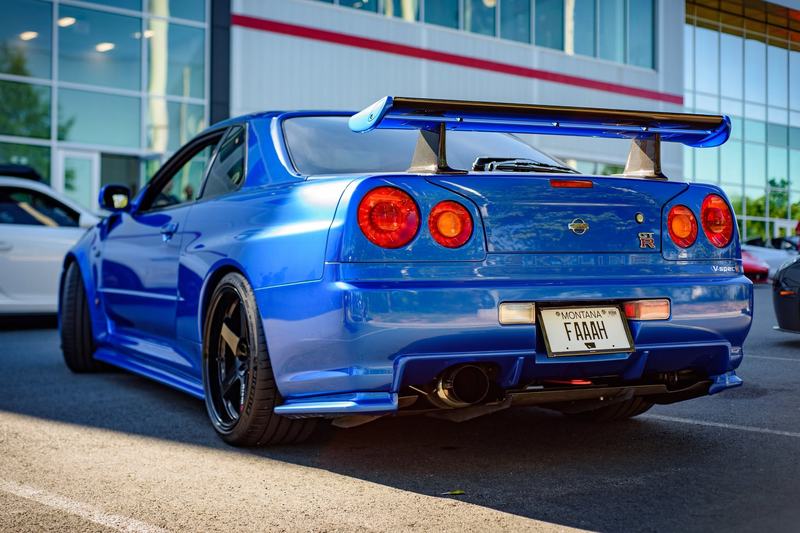
Stand at any decent meet on the east coast for twenty minutes and you will count Montana plates on cars that have never been within a thousand miles of Montana. They turn up on hypercars, on imported Skylines and Supras, and on the sort of thing that arrives on a trailer. There is a reason, it is not a secret, and most of it is written down in two sections of Montana law.
The rule that starts it
Montana’s Department of Revenue states it in one line: “Montana does not have a general-use sales tax.” There is no percentage of the purchase price to pay when a car is titled there, because there is no percentage.
Set that against almost anywhere else. Virginia’s DMV charges a 4.15 percent Sales and Use Tax at the time of titling, on “the vehicle’s gross sales price”, and it does not deduct a trade-in. On a $200,000 car that is $8,300 handed over on the day, in one state, and nothing at all in the other.
And the rule that keeps it going
Montana charges to register a car by its AGE, not its value. Section 61-3-321 of the Montana Code sets the annual light vehicle fee at $217 for a car four years old or less, $87 from five to ten years, and $28 at eleven years or older.
Then section 61-3-562 does the thing that puts the word PERM on so many of these plates: “The owner of a light vehicle 11 years old or older ... may permanently register the light vehicle.” One payment, and that car never needs a renewal sticker again. It is why an imported car old enough to be legal to import at all is also, conveniently, old enough never to be registered again.
Montana noticed
The same fee statute, as amended in 2025, now reads: “For a light vehicle with a manufacturer’s suggested retail price of more than $150,000 that is 10 years old or less, the annual registration fee is the amount provided for in subsection (2)(a) plus $825.”
So the newest and most expensive cars now pay $1,042 a year in Montana rather than $217. That is the state pricing the practice instead of ignoring it, and it is still a long way short of what the sales tax would have been almost anywhere else. On the $200,000 example, eight years of that surcharge still costs less than Virginia’s one day at the DMV.
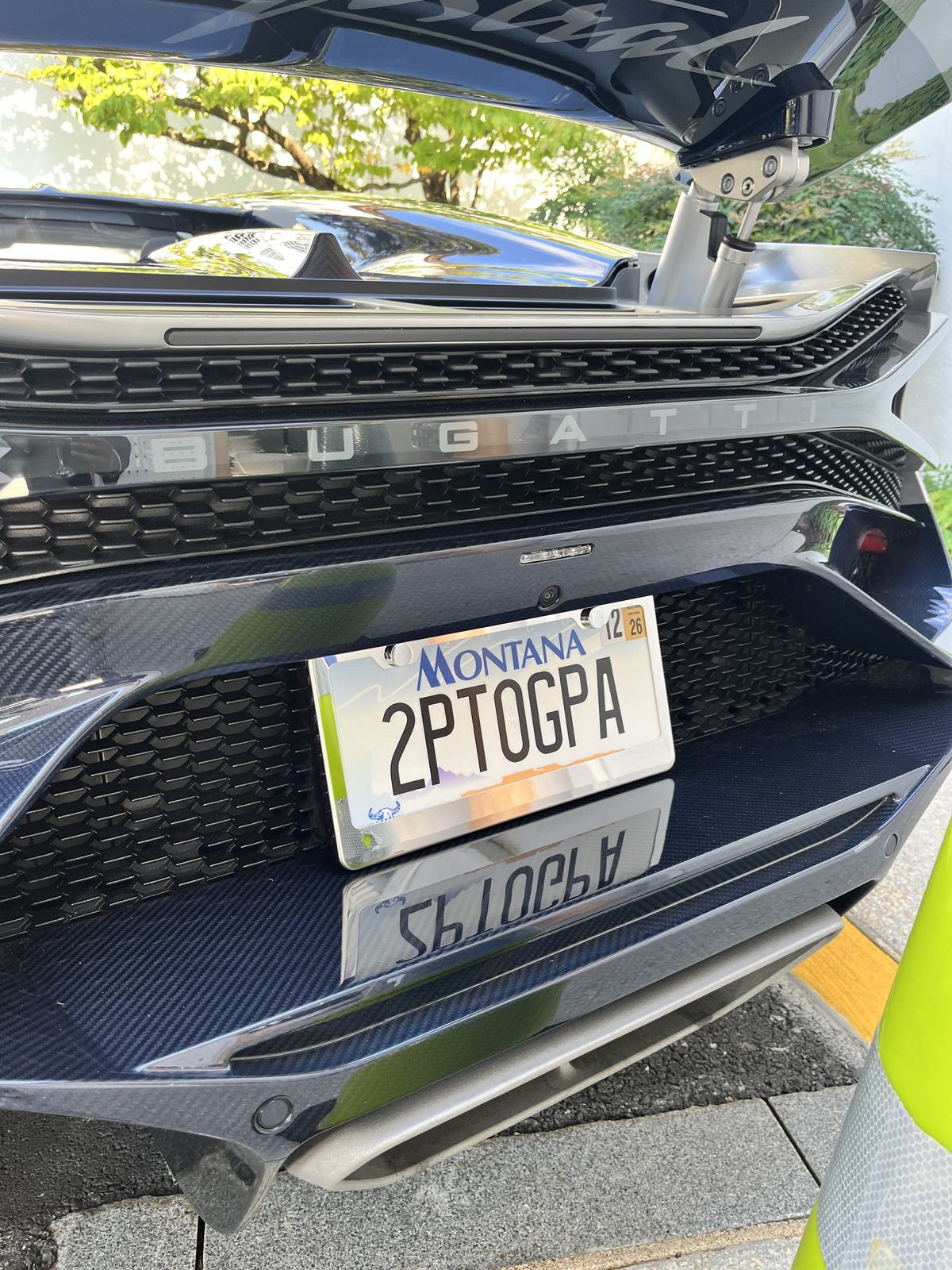
How the plate gets onto an out-of-state car
Section 61-3-303 is written around people: a “Montana resident who is an owner of a motor vehicle ... shall register the motor vehicle ... in the county where the registering owner is domiciled.” Somebody in Maryland is not a Montana resident, and that section does not offer them anything.
The way around it is that the owner does not have to be a person. A limited liability company formed in Montana can buy the car and register it, and that company is in Montana whoever its members are and wherever they live. A small industry exists to form the LLC, act as its registered agent, and post the plates out.
So should you get one
The honest answer is that none of the law above is the law that decides it. Montana sets out what Montana charges. What determines whether this works for a particular person is their OWN state’s rules about a car that lives at their house, and those are the rules the saving is being taken from.
Virginia, again as the example: its Sales and Use Tax is charged at titling, and a car kept in Virginia is expected to be titled in Virginia. A state that believes a resident has kept a car there without paying its tax is not usually looking for the LLC. It is looking for the person.
There is a second question worth asking before the first one, and it costs a phone call. Ask your insurer, in writing, what they intend to do at claim time with a car registered to a Montana company and parked at your address every night. Whatever they answer is the answer that matters on the worst day, and finding it out afterwards is the expensive way.
Before you look up an LLC service
Three questions, in this order. What does your own state charge, and when does it consider the car to be kept there? What will your insurer do with a claim on a car titled to an out-of-state entity? And what is the saving, actually, after the LLC’s setup and annual fees, the registered agent, and Montana’s own $825 if the car is new and expensive enough to attract it?
What the plates tell you
Whatever else it is, a Montana plate on a car a long way from Montana is a reliable signal about what the car cost. Nobody forms a company to register a used Miata. The arrangement only pays for itself above a number, and the plate is that number, visible from the back of the car park.
None of this is legal or tax advice, and the figures above are the ones published on the dates in the sources below. Fee schedules change; Montana’s changed in 2025.
- Source: Montana Department of Revenue, Sales Tax Guidance for Montana Business and Residents, read 2 September 2026
- Source: Montana Code Annotated 61-3-321, Registration fees of vehicles and vessels, read 7 September 2026
- Source: Montana Code Annotated 61-3-562, Permanent registration, read 7 September 2026
- Source: Montana Code Annotated 61-3-303, Original registration, read 7 September 2026
- Source: Virginia DMV, Motor Vehicle Sales and Use Tax, read 2 September 2026
Montana platesOwnershipRegistrationTaxes